
Subtle Sophistication Through Layered Lighting
Ambient, Task, Accent: A Harmonious Trio
Ambient Foundations
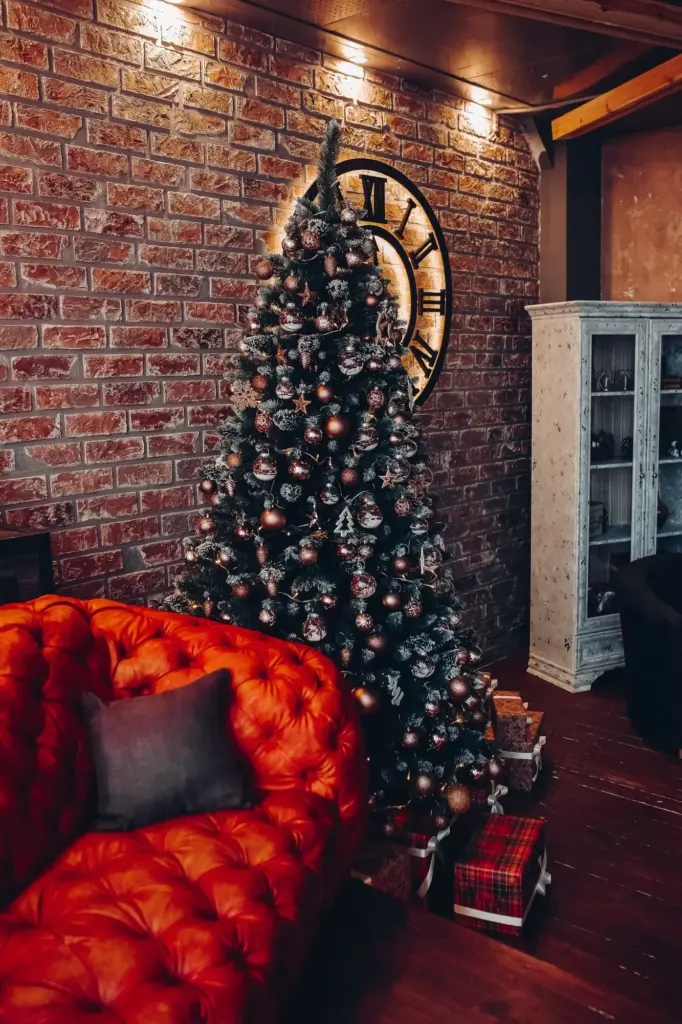
Begin with a forgiving base that erases harsh contrast while leaving enough shadow to shape dimension. Indirect uplighting, translucent shades, and wall-washing keep ceilings airy and corners welcoming. Choose dimmable sources so evening relaxation softens edges, while morning routines remain cheerful and functional.
Task Precision
Layer focused beams where eyes and hands work hardest, using under-cabinet strips, articulated sconces, and desk lamps with thoughtful glare control. Keep color temperature consistent across zones, calibrate brightness by task, and anchor fixtures so cords vanish. Precision protects posture, confidence, and creativity.
Accent and Decorative Drama
Invite gentle sparkle with picture lights, bookshelf grazers, and small metallic shades that catch and release glints. Highlight a textured plaster wall or a favorite object, keeping beams narrow and dimmable. The goal is depth, not dazzle, to whisper sophistication nightly.
Planning the Map: Zones, Circuits, Sightlines
Color, Tone, and Material Warmth
Color Temperature That Guides Mood
Choose warmer whites for bedrooms and lounges, reserving neutral tones for kitchens and desks where clarity rules. Mix gently by zone, not within a single view, to avoid visual jitter. Dim levels to maintain warmth as brightness falls, keeping evenings restorative.
High CRI for Honest Finishes
Seek LED sources with a high CRI and strong R9 so wood, leather, stone, and skin appear natural, not gray. Better rendering reduces visual fatigue and protects investment pieces. Under good light, textiles read richer, art breathes, and cooking becomes inviting theater.
Diffusers, Shades, and Textures
Softening hardware elevates experience. Opal glass, microprismatic lenses, and woven shades blur diodes and tame hotspots, allowing higher output without harshness. Textures also add romance to shadows, creating a patterned hush that suggests craft, care, and quiet luxury in every corner.
Controls, Scenes, and Daily Rhythm

Morning to Midnight Scenes
Smart, Yet Invisible Interfaces
Healthy Rhythm with Human-Centric Light
Style Narratives and Real-Home Stories




Budgets, Upgrades, and Sustainable Choices

All Rights Reserved.